Click Logo for Homepage
Click Logo for Homepage

Community & Research: Conservation Benefits

Conservation Economy
Long-term and seasonal jobs contribute toward a conservation economy. We are proud that many of our staff have worked at Dombeya since its establishment. There is also lots of seasonal work, especially with the ongoing task of clearing alien and invasive plants. Strengthening the conservation economy builds sustainability of the sector.

Science and Ecological Research
Here, a local University of Eswatini student measures a rodent caught in a live trap in Dombeya, as part of a Baseline Survey. Ecological research is critical to understanding the dynamics of this piece of land, and regional ecological trends. Dombeya welcomes scientific research partnerships and aims to conduct routine ecological surveys.

From the Field
Our rangers monitor the Reserve, on the ground. They help us observe changing patterns in wildlife, from giraffe to jackal to tortoise populations. They are our active eyes and ears, and they assist with infrastructure management.

Citizen Science
Dombeya encourages citizen science through the INaturalist app (Orange emperor dragonfly, above). We encourage guests to help document the diversity of flora and fauna in Dombeya- please let us know if you'd like to know more!

Avian Research
In a wonderful partnership between the Universities of Eswatini and Cypress, a study of yellow and red fronted tinkerbirds is ongoing in Dombeya and the region. This study evaluates shifting home ranges of the birds.
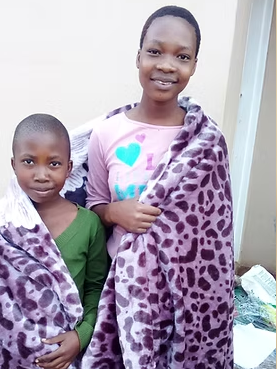
Community Outreach in Luve
With the help of a local women's organisation, the Mothers' Union, Dombeya supports vulnerable children and elderly men and women in our adjacent town of Luve. If you'd like to help support with non-perishable food, clothes, blankets, sanitary supplies, or educational material, please let us know, and we will arrange this. In advance, thank you for joining us!

Archaeology in Dombeya
Artifacts are everywhere- and we've found many- from 20 years old to an estimated 50,000 years old (local Eswatini and visiting German archaeologist estimates). We find pottery, stone tools and grinding bowls every year. Please let us know if you find something wonderful, take a pin location to share with us, and please leave it so others can enjoy- thank you!


Interesting Bits!
SLIDESHOW:
1. Stone piece of pipe- Historical photo of people in Eswatini smoking a pipe from a buck's horn- note the stone top (top left). We've found 2 of the stone tops so far in the sand, at Dombeya. Photo curtesy of Bob Forrester.
2. Bats- A Welwitsch's Hairy Bat was found in Dombeya during our Baseline Ecological Survey, 2018. This is a new bat species for Eswatini, which is extremely exciting! This type of bat has been recorded less than 10 times in neighbouring South Africa.
Of interest, Dombeya is the only location in Eswatini where all 5 pipistrelle bat species have been recorded together. This exciting bat research was conducted by Eswatini's own Dr Ara Monadjem, see his academic paper, below!
3. Special species- 10 species of threatened animals were recorded during Dombeya's brief Baseline Ecological survey, 2018 (7 bird species and 3 mammal species), which makes Dombeya nationally important, ecologically. 3 plant species listed on the IUCN national Red List were also identified here ( Ansellia africana, Hypoxis hemerocallidea, and Pavetta gardeniifolia). 21 plant species that are protected under the Swaziland Flora Protection Act (which is different than the IUCN list) were found here, too! Here, we see Dombeya's Pavetta gardeniifolia.
4. Our namesake- Dombeya is named after the beautiful, indigenous, winter flowering Dombeya rotundifolia- keep your eyes open in July/August for these white blooms!